Estate Planning & Elder Law · Centerville, Cape Cod

Our passion is problem solving for you and yours.

Case Estate Law, P.C. proudly serves individuals and families in Southern Mass, particularly on Cape Cod, Martha’s Vineyard, and Nantucket.

Complimentary initial consultation

We believe that the people we assist are more than “just clients” — they are the families and individuals who make up our beautiful community.

In addition to meeting our clients’ immediate needs, our mission is to provide continuing support and education for the people we serve. We offer customized legal advice, sophisticated documents, and comprehensive services tailored to meet our clients’ needs.

Practice Areas

How we can help you and your family

Estate Planning

While nobody wants to think about death or disability, establishing an estate plan is one of the most important steps you can take to protect yourself and your loved ones.

Proper estate planning not only puts you in charge of your finances, it can also spare your loved ones the expense, delay and frustration of managing your affairs if you pass away or become disabled.

Providing for incapacity. A will does not take effect until you die and a power of attorney may be insufficient. Designate people you trust in proper legal documents, and appoint a health care proxy to make medical decisions if you cannot.

Avoiding probate. Assets left by will pass through probate, which can be expensive, time-consuming and public. With proper planning, assets can pass to your loved ones quickly, inexpensively and privately.

Providing for minor children. Your plan should address the upbringing of your children, a contingency if both parents pass, and the guardian you would nominate.
Elder Law

Our law firm has the experience to help avoid the financial ruin associated with the high cost of long-term care.

The high cost of long-term care has made planning a critically important issue for most middle class seniors and their families. Financial devastation looms large for a family facing ongoing care at an average rate of $10,000 or more per month.

Long-term care options. Private pay care can wipe out the savings of all but the wealthiest families in a matter of years. Long-term care insurance offers peace of mind, but many can’t afford it or can’t qualify, and many who have it still resort to Medicaid.

Medicaid eligibility. Medicaid is the single largest payer of nursing home bills in America. Look-back periods, income caps, transfer penalties and waiting periods make planning essential. It is never too late to plan, even if the individual is already in a nursing home.

High-Net-Worth Estate Planning

Without advanced estate planning strategies, much of the significant assets you have accumulated may end up with the IRS and state taxing authorities.

Our firm regularly assists affluent families with sophisticated strategies such as Family Limited Partnerships, Limited Liability Companies, Personal Residence Trusts, Irrevocable Life Insurance Trusts and a wide range of charitable gifting techniques to reduce Federal Estate Taxes, Gift Taxes and Generation Skipping Transfer Taxes.

Family Limited Partnerships. An FLP offers estate and gift tax savings and asset protection while letting you retain control of the transferred assets.

Qualified Personal Residence Trusts. A QPRT lets you give away your house or vacation home at a great discount, freeze its value for estate tax purposes, and continue to live in it.

Medicaid Planning for Long-Term Care

The high cost of long-term care has made planning a critically important issue for most middle class seniors and their families.

Medicaid planning seeks to qualify otherwise eligible people for benefits by working within the rules, prepaying costs and making transfers of assets, such as between spouses, that create the shortest possible ineligibility periods.

As long as there have been no disqualifying transfers of assets in the five years prior to applying, one is potentially eligible for benefits. Our mission is to deliver as positive an outcome as the law allows through a proven Medicaid qualification process, and to protect assets through qualified Medicaid trusts.

Probate of Estates & Trust Administration

Probate is primarily a process through which title is transferred from the name of the deceased to the names of the beneficiaries.

Every probate estate is unique, but most involve these steps:

  • Filing of a petition with the proper probate court
  • Notice to heirs under the Will or to statutory heirs
  • Petition to appoint an Executor or Administrator
  • Inventory and appraisal of estate assets
  • Payment of estate debt to rightful creditors
  • Sale of estate assets and payment of estate taxes, if applicable
  • Final distribution of assets to heirs

Non-probate assets include jointly held property with right of survivorship, retirement accounts with designated beneficiaries, life insurance, pay-on-death bank accounts, and property owned by a living trust. This firm does not accept Will contest cases.

Asset Protection

Our firm will work with clients to implement proven, legally-sound strategies that will help preserve their wealth and safeguard their assets.

Over 19 million new lawsuits are filed in the United States every year. Business owners, professionals and property owners in particular should be aware of the risks, including professional malpractice liability, personal liability of corporate officers and directors, lawsuits by former business partners, premises and auto injuries, and liability as guarantor for another’s debts.

Asset Protection is not about giving in to fear. It is about empowering yourself in the face of it. We represent professionals, small business owners and property owners, protecting assets against litigation, judgments, liens and fraud through special trusts, business entities and other legal arrangements.

Our Client Care Commitment Program enables us to foster lasting connections with our clients, ensuring that we can be a valuable part of enhancing their quality of life for years to come.

Firm Overview

Three divisions, one commitment to your family

We take pride in affiliating with practical and proficient individuals in these distinct areas of the law in order to provide our clients with the best possible, most comprehensive, individualized options, documents, and services.

Invested in our Clients. Invested in Solutions.

Estate Planning & Probate

Counseling and solutions so that you control your property while you are alive and well, your assets care for you and your loved ones if you become disabled, and upon death your assets transfer to whom you want, when you want, and the way you want, with the least expense, estate taxes and potential conflict. This includes drafting of estate planning documents, the probate of wills and estates, and the administration of trusts.

Elder Law & Medicaid

Qualified legal advice for families facing an increasingly common dilemma: protecting assets from the costs of long-term care for a loved one, through a proven Medicaid qualification process and qualified Medicaid trusts.

Asset Protection

Vision casting with individuals eager to safeguard their hard-earned assets through entities such as Limited Liability Companies (LLC’s) and Limited Partnerships (LP’s), providing consolidation and protection to benefit loved ones and beneficiaries.

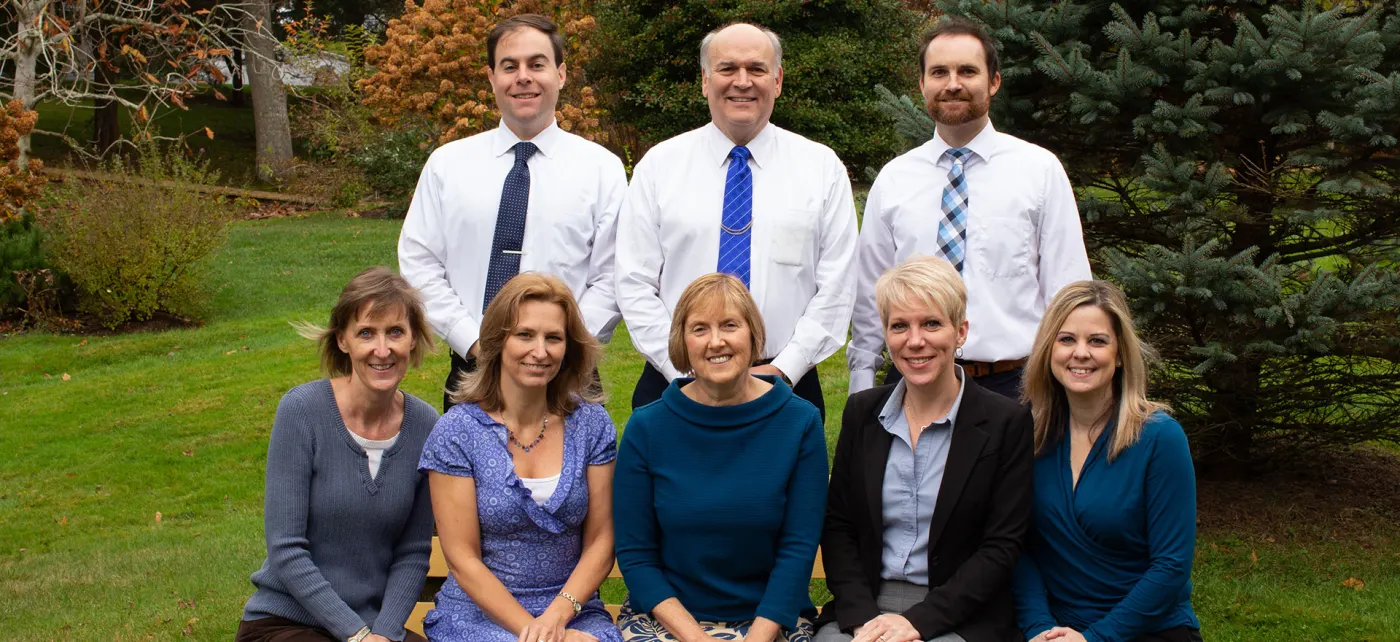
The Case Estate Law, P.C. team
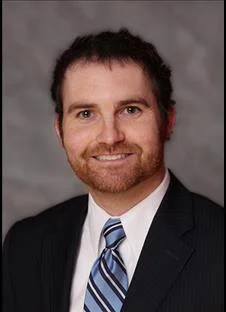
Rad Case, Attorney at Law

Meet Your Attorney

Rad Case, Attorney at Law

C. Conrad Case, III, known to all as Rad, is the owner at Case Estate Law, P.C. He attended Massachusetts School of Law, and graduated as class valedictorian in 2014.

Rad is an active member of several specialized organizations including the Massachusetts National Academy of Elder Law Attorneys (NAELA) which specializes in work with elderly clients, disabled clients, and their families. Growing up in a multigenerational family with strong ties to his elders, Rad is passionate about creating estate plans which focus on quality of life not only for senior citizens, but for adults in all stages of life.

Rad also belongs to Wealth Counsel, LLC, a national organization which allows him to keep current on the changes in laws relating to estate planning, elder law, probate, trust administration, and Medicaid planning. A big proponent of continuing education, Rad attends several conferences a year both in person and online.

Happily married for thirteen years, Rad and his wife, Jennifer, have three children: Levi, Landon, and Addison. When not at work, Rad enjoys spending time with his family, along with all things sports-related. In particular, he loves playing golf, basketball, and frequently plays disc golf early in the morning before work.

Rad Case signature

He was professional, excellent in all his communication, patient in his explanations, while always remaining positive and calm. He didn’t get intimidated by any obstacles that came up as he problem-solved all the legalities for us. Personally, those qualities of his were a tremendous stress relief for me and helped me relax in knowing we had the right person in place to handle our estate correctly and competently.

Rick V. · Feb 2021

FAQs

Straight answers to common questions

There is a common misconception that “estates” are exclusive to multimillionaires. An estate is everything people own in their own name or jointly with others. It encompasses assets of every kind, like real estate, cash, stocks, bonds, retirement plans, life insurance, businesses, personal property (furniture, art, antiques, cars, collections, other treasured items, etc.) and any other kind of investment.

The definition adopted by the National Network of Estate Planning Attorneys: “I want to control my property while I am alive and well, care for myself and my loved ones if I become disabled, and be able to give what I have to whom I want, the way I want, and when I want, and if I can, I want to save every last tax dollar, attorney fee and court cost possible.” A good estate plan will meet this definition.

For centuries, wills were just about all that comprised estate planning. Today, it is one of the most technically demanding and comprehensive areas of the law. It means ensuring your hopes and concerns for yourself and your loved ones are accomplished if you become incapacitated or die; keeping your family and your sensitive information out of probate court, where it becomes public record; and designing a plan, usually in a trust agreement, with well-thought instructions for your family’s continued well-being.

A will deals specifically with the distribution of your assets after your death, and is validated only through the probate court process. A trust is like a little red wagon: all of your “boxes” (home, car, bank account) fit inside, you keep total control of what goes in and out, and if something happens to you, the only thing you drop is the handle. Your assets are all still safely tucked inside the wagon.

Probate is the court-supervised administration of your estate: organizing assets, paying bills and settling creditor issues, and overseeing distribution. Disadvantages include loss of privacy (your probate file is public record), will contests that freeze the estate, and costs and delays. The total cost of probate can easily range from 3-10% of your gross estate, and a proceeding is needed in every state where you own real property.

Not all plans are created equal. Because our firm is a member of Wealth Counsel, LLC, we use specialized software that draws upon the collective knowledge of the top legal minds in the field. Only Wealth Counsel member firms can offer the benefits of these trademarked trusts.

Elder law deals with legal issues that predominantly affect seniors and those with disabilities: public assistance programs, long-term care planning, guardianships and conservatorships, and estate planning and probate. Medicaid is a program sponsored by the federal government and administered by states to provide health care and related services to eligible individuals. As long as there have been no disqualifying transfers of assets in the five years prior to applying, one is potentially eligible, and Medicaid planning works within the rules to qualify otherwise eligible people for benefits.

Estate planners use “asset protection” to mean trusts, family limited partnerships and other techniques that protect families and their businesses from creditors, including taxing authorities, non-family members through divorce, loved ones who need protection from themselves, and judgment creditors through lawsuits.

No. Creating a revocable Living Trust will not affect your ability to control your assets. During your lifetime you have complete control, there are no changes to your income taxes, and no new Tax Identification Numbers to obtain. Because it is revocable, it can be modified or revoked at any time. Assets with beneficiary designations, such as life insurance, retirement accounts, and POD bank accounts, need not be transferred into the trust.

Resources

Trusted organizations and agencies

Client Forms

Download and bring to your consultation

Upcoming Events

Seminars & community events

We do not have any events scheduled for the immediate future. If you would like to receive notification of upcoming events, we ask that you please give us a call with your contact information. We value your privacy and will not share your information with any third party.

Call 508-790-3050

Blog

Latest news & planning insights

Using Zoom for Virtual Estate Planning Meeting
New S.J.C. Ruling Affects the Family’s Inheritance
Millennials ~ It’s Time to Plan Your Estate
Misuse of Joint Ownership – A Common Estate Planning Mistake
The Senior Safe Act Makes its Way through the House
Why You Should Consider Long-Term Care Insurance!
How Do-It-Yourselfers Create Big Headaches for their Families
Why You Need a Health Care Proxy
Planning for Loved Ones with Dementia or Alzheimer’s
Potential Problems of Lifetime Gifts
Centerville Lawyer’s Christmas CDs Strike Right Note
Will or Won’t? Things a Will Won’t (or Can’t) Do
Preparing to Meet with an Estate Planning Attorney
What is Estate Recovery?
Congratulations on Your High School Diploma! Let’s Talk About Your Estate Plan!

Contact Us

Request a complimentary initial consultation

Contact our Cape Cod Estate Planning Attorneys and Elder Law Attorneys for a complimentary initial consultation in Centerville, MA, and let us know how we can best serve you and your family now and in the long-term future.

Office
1645 Falmouth Road, Suite 1E
Centerville, MA 02632
Call to request an appointment
508-790-3050
Serving
Cape Cod, Martha’s Vineyard, Nantucket, and Barnstable, Dukes, Nantucket and Plymouth Counties, MA
Request an Appointment

Is this your business? See the before & after →

This site is an independent promotional redesign built by Wicked Fast Web to demonstrate our work — it is not officially affiliated with, endorsed by, or paid for by the business shown here. No subscription or payment is attached. If you're the owner and have questions, want to make it official, or want it taken down, get in touch. Prefer to just grab time on my calendar? Book a 15-minute call.